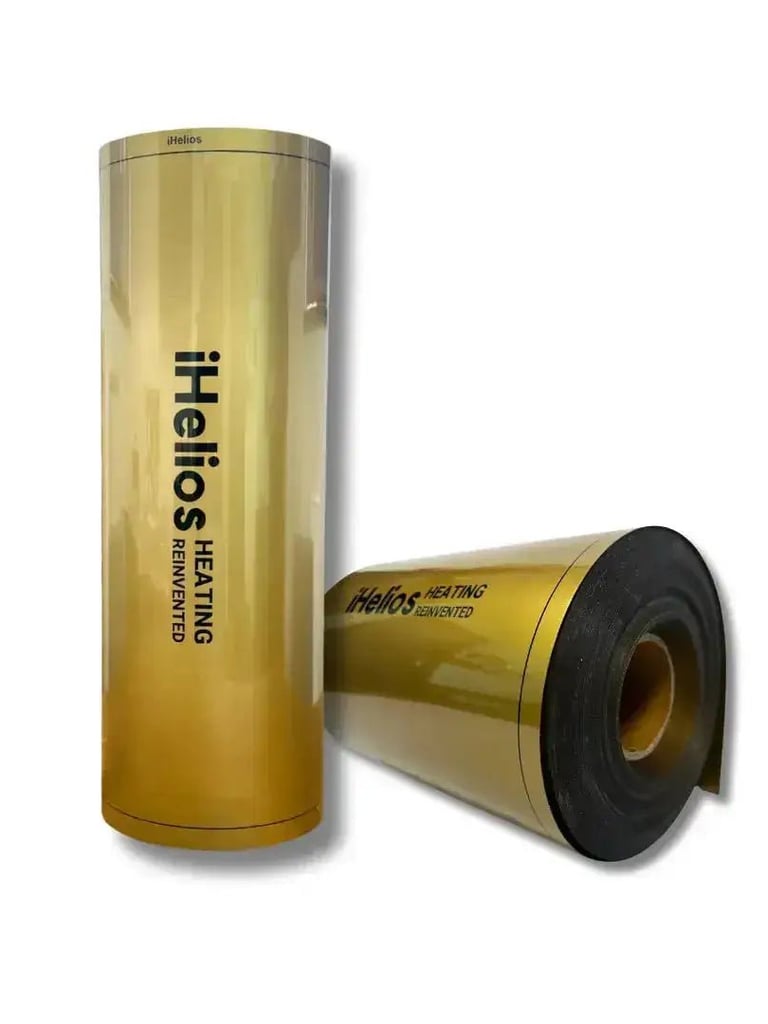
Specifying Structural Radiant Film
A rigorous guide for UK architects, developers, and mechanical engineers integrating invisible electric heating film into ceiling and floor build-ups for radiator-free performance.

Structural Integration Checklist
Before specifying structural heating film, verify that the building fabric meets modern thermal standards to optimize radiant mass efficiency and control energy output.
1. Heat Loss Assessment
2. Substrate Preparation
3. Electrical Capacity
Conduct room-by-room heat loss calculations to ensure the radiant film output matches or exceeds peak thermal demand.
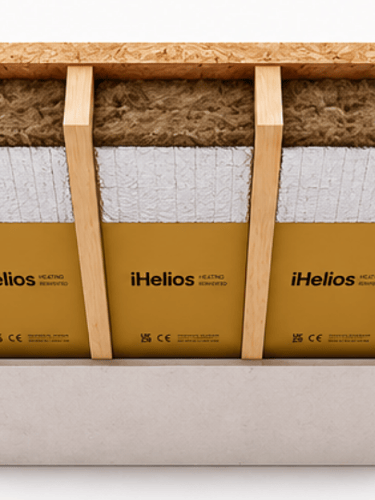
Ensure floor or ceiling voids are completely insulated with high-density backing boards to direct radiant energy downward or upward.
Evaluate the local consumer unit capacity early to plan zone loads and determine if sub-distribution boards are required.
Critical Specification Standards
Ensure your project satisfies these fundamental engineering requirements before proceeding with installation.
Insulation Value
Load Calculation
Zoning Control
A minimum of 50mm high-performance rigid insulation is required below floor film or above ceiling film to prevent structural heat sink.
Standard systems draw 130W to 220W per square meter. Total electrical load must be balanced across separate 16A smart thermostat zones.
Specify independent floor and ceiling sensors for every room to maintain precise surface temperature limits and maximize efficiency.
Ready to Specify?
Submit your architectural floor plans and insulation details for a comprehensive heat loss calculation and layout design.